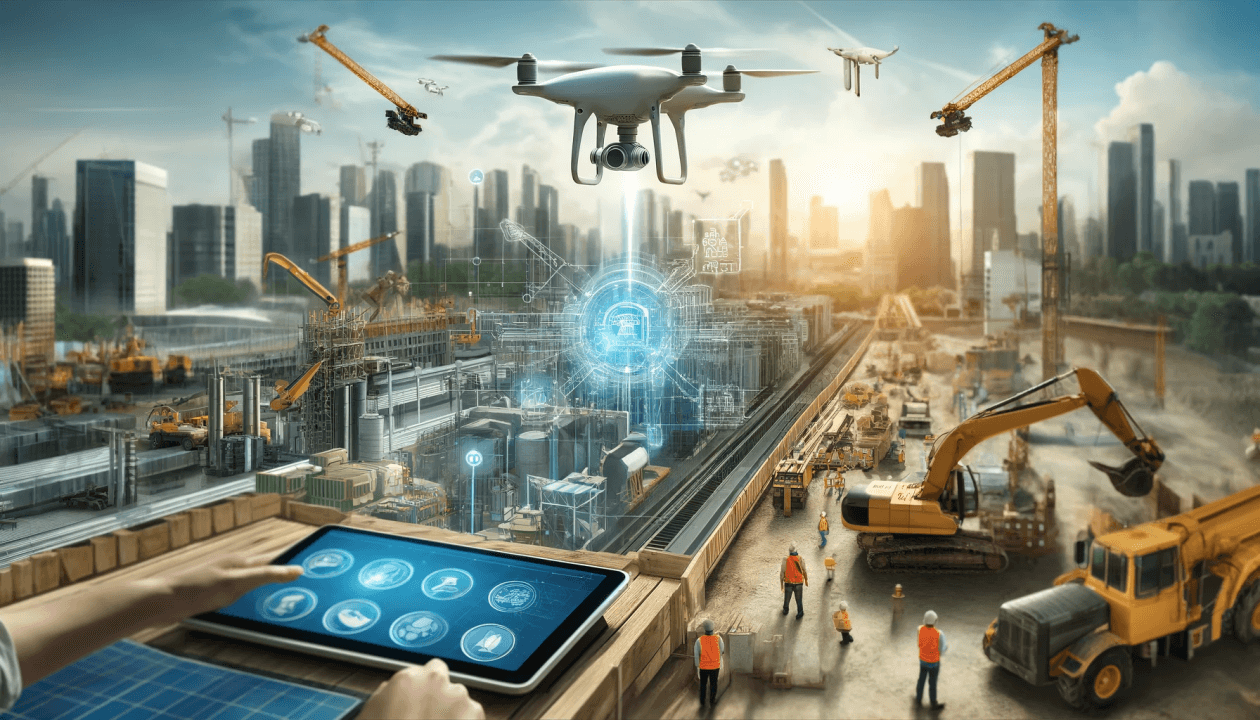
Urbanization is accelerating at an unprecedented pace. By 2050, nearly 70% of the world’s population is expected to live in cities. This rapid growth puts immense pressure on urban infrastructure, resources, and services. To tackle these challenges, the concept of smart cities—urban areas that leverage intelligent technology to improve quality of life, sustainability, and efficiency—is gaining momentum worldwide.
In this blog, we’ll explore what smart cities are, how intelligent technology is transforming urban infrastructure, the benefits of connected systems, real-world applications, and what the future holds for these hyper-connected urban ecosystems.
What is a Smart City?
A smart city uses technology—especially digital sensors, data analytics, the Internet of Things (IoT), artificial intelligence (AI), and connectivity—to enhance infrastructure, optimize resource use, and improve services for residents and businesses.
Smart cities integrate various urban systems such as transportation, energy, water, waste management, and public safety into connected platforms that enable data-driven decision-making.
SEO Keywords: smart cities, intelligent infrastructure, IoT in smart cities, smart city technology, future of urban living
Why Are Smart Cities Important?
With rising urban populations, cities face challenges including traffic congestion, pollution, energy demand, and strained public services. Smart city technology addresses these by:
- Improving efficiency in resource management.
- Enhancing sustainability and reducing environmental impact.
- Increasing citizen engagement and safety.
- Driving economic growth through innovation.
Key Technologies Powering Smart Cities
1. Internet of Things (IoT)
IoT devices—like smart meters, connected streetlights, and environmental sensors—collect real-time data to monitor and manage urban infrastructure.
- Smart sensors track air quality, noise levels, and traffic flow.
- Connected devices automate lighting, waste collection, and water usage.
- Data from IoT feeds AI systems for predictive analytics.
2. Artificial Intelligence and Machine Learning
AI analyzes vast data streams from city sensors to optimize services and predict future trends.
- AI-driven traffic management reduces congestion.
- Machine learning models improve energy distribution.
- Predictive analytics enable proactive maintenance of infrastructure.
3. 5G and Advanced Connectivity
Ultra-fast, low-latency 5G networks enable seamless communication among billions of connected devices, supporting real-time monitoring and control.
4. Big Data and Cloud Computing
Cloud platforms store and process enormous volumes of urban data, allowing cities to scale their smart services and share insights across departments.
5. Digital Twins
Virtual replicas of urban areas simulate scenarios and plan infrastructure changes before implementation, reducing risk and cost.
How Intelligent Tech is Transforming Urban Infrastructure
Smart Transportation Systems
- Connected traffic lights adapt in real-time to traffic flow, reducing jams and emissions.
- Smart parking apps guide drivers to available spots, cutting idle time and pollution.
- Public transit uses data to optimize routes and schedules, improving rider experience.
- Autonomous vehicles and drones are beginning to be integrated into urban mobility.
Sustainable Energy Management
- Smart grids balance energy supply and demand, incorporating renewable sources like solar and wind.
- IoT sensors monitor building energy use, optimizing heating, cooling, and lighting.
- Energy storage and distributed generation improve grid resilience.
Water and Waste Management
- Sensors detect leaks and monitor water quality, conserving resources and protecting public health.
- Smart waste bins notify collection services when full, optimizing routes and reducing emissions.
Public Safety and Emergency Response
- AI-powered surveillance detects unusual activity and enhances emergency preparedness.
- Connected infrastructure enables faster response times for police, fire, and medical services.
Citizen Engagement Platforms
- Mobile apps and portals allow residents to report issues, access services, and receive alerts.
- Data transparency fosters trust and collaboration between governments and citizens.
Benefits of Connecting Infrastructure with Intelligent Technology
- Operational Efficiency: Automated systems reduce manual intervention and operational costs.
- Sustainability: Optimized resource use lowers environmental footprints.
- Quality of Life: Enhanced services improve comfort, safety, and accessibility.
- Economic Growth: Smart city innovation attracts investment and talent.
- Resilience: Real-time monitoring helps cities adapt to climate change and disasters.
Real-World Examples of Smart Cities
Singapore
Singapore’s Smart Nation initiative uses IoT sensors, AI, and data analytics to improve urban mobility, energy efficiency, and public services. Projects include smart lamp posts, autonomous buses, and integrated digital platforms for citizens.
Barcelona
Barcelona leverages smart water meters, waste sensors, and smart parking to reduce costs and environmental impact. Its open data policy empowers developers to create citizen-focused applications.
Amsterdam
Amsterdam employs digital twins and IoT for energy management, traffic control, and sustainable urban planning, creating a living lab for smart city innovation.
Challenges in Building Smart Cities
- Data Privacy and Security: Protecting citizen data from misuse or breaches is paramount.
- Infrastructure Investment: High upfront costs and technology upgrades require strategic planning.
- Interoperability: Integrating diverse legacy systems and new tech can be complex.
- Digital Divide: Ensuring equitable access to smart services for all residents is critical.
- Governance: Clear policies and cross-sector collaboration are needed to manage smart city ecosystems.
The Future of Smart Cities
Smart cities will become more autonomous, sustainable, and citizen-centric through advances like:
- AI-Driven Governance: Algorithms supporting policy decisions and resource allocation.
- Expanded Digital Twins: More detailed and predictive virtual models for urban planning.
- Integrated Mobility Ecosystems: Combining autonomous vehicles, shared transport, and smart infrastructure.
- Green Tech Integration: Increased use of renewable energy, green buildings, and climate adaptation measures.
- Citizen-Centered Innovation: Participatory platforms for co-creating solutions and enhancing community engagement.
How Cities Can Prepare for a Smart Future
- Develop clear smart city strategies aligned with local needs and goals.
- Invest in scalable and secure digital infrastructure.
- Foster public-private partnerships to drive innovation.
- Promote digital literacy and inclusive access to technology.
- Establish data governance frameworks prioritizing privacy and transparency.
Conclusion
The future of urban living lies in smart cities that seamlessly connect infrastructure with intelligent technology. This fusion not only addresses today’s urban challenges but also unlocks new opportunities for sustainable growth, enhanced quality of life, and resilient communities.
By embracing IoT, AI, 5G, and data analytics, cities can transform into dynamic ecosystems where technology and people thrive together—building a smarter, greener, and more connected future.